
The mining industry is one of the most demanding sectors in terms of operational efficiency, productivity, and safety. The heavy-duty mining equipment that is used daily to extract minerals from deep within the earth requires robust and reliable systems to handle the extreme conditions found in mines. Among the most crucial systems in these machines is the hydraulic system, responsible for power transmission, actuation, and control of various moving parts. Over the years, hydraulic technologies have evolved significantly, with recent innovations pushing the boundaries of performance, energy efficiency, and environmental sustainability.
The Role of Hydraulics in Mining Equipment
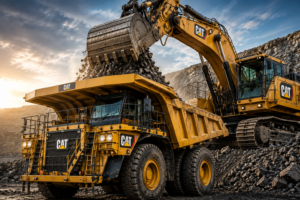
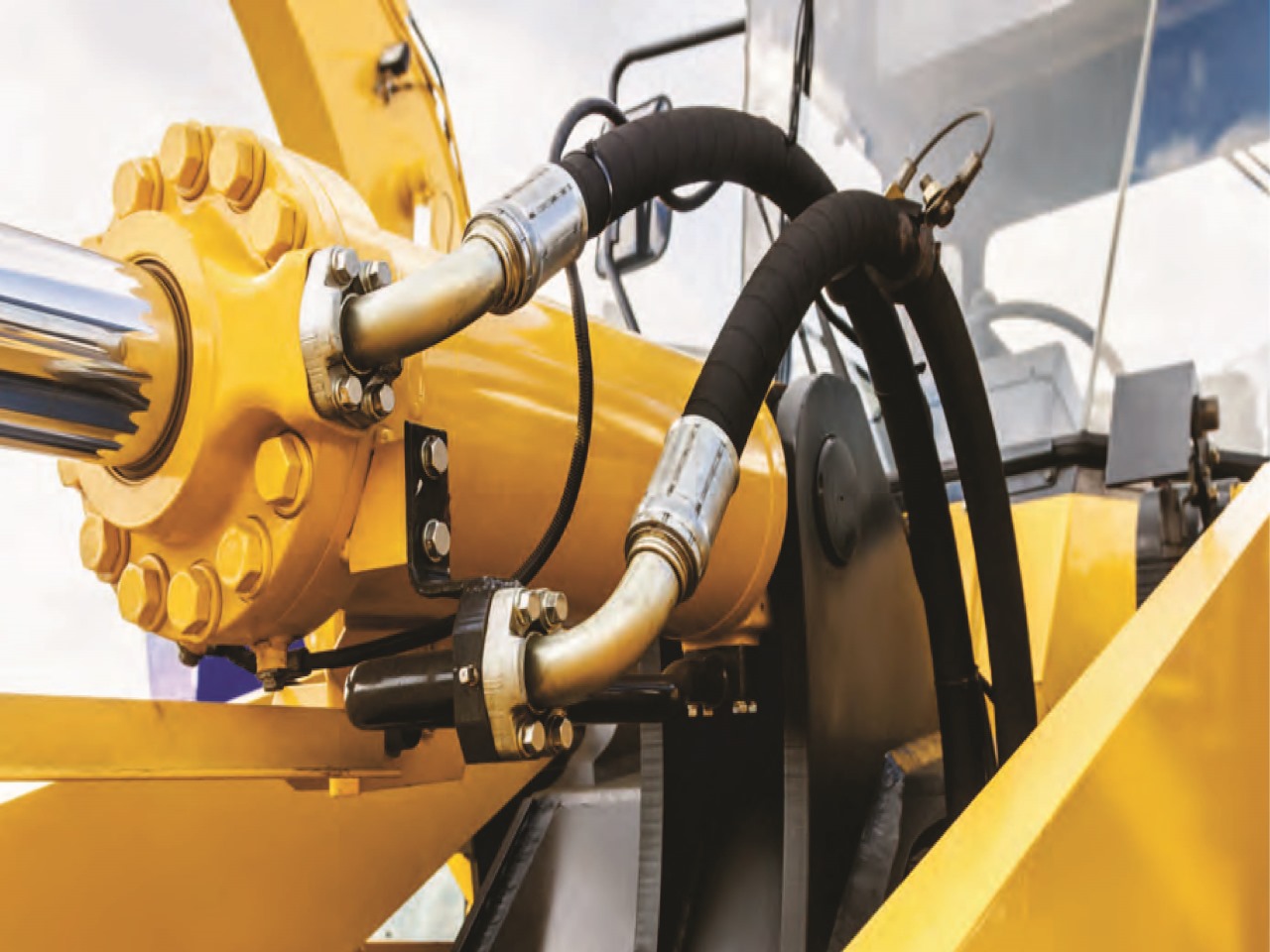
Hydraulic systems are used in various applications across mining equipment, from excavators and haul trucks to drills and crushers. These systems convert fluid power into mechanical power through the use of hydraulic pumps, actuators, valves, and cylinders. In heavy-duty mining machinery, hydraulics are often tasked with lifting, pushing, and stabilizing large loads, controlling movements of booms, arms, and buckets, and managing steering and braking.
The importance of hydraulic systems in mining machinery cannot be overstated. They provide the strength needed to perform tasks such as digging, hauling, and lifting massive quantities of material. Given the heavy workloads, these systems must operate with precision, reliability, and efficiency in some of the harshest conditions, such as extreme temperatures, high altitudes, and rugged terrains.
Innovations in Hydraulic Technologies
Recent technological advancements in hydraulic systems for mining equipment have focused on improving energy efficiency, reducing maintenance costs, enhancing safety, and addressing environmental concerns. These innovations have the potential to revolutionize the way mining operations are conducted, leading to increased productivity and sustainability.
1. Advanced Hydraulic Fluids
One of the most promising innovations in hydraulic technology is the development of advanced hydraulic fluids. Traditionally, mineral oils were used as hydraulic fluids, but today, environmentally friendly fluids, such as biodegradable and synthetic oils, are becoming increasingly popular. These fluids are designed to minimize the environmental impact in case of spills, a common concern in large-scale mining operations. Additionally, these advanced fluids exhibit superior performance characteristics, including better viscosity, thermal stability, and anti-wear properties, resulting in smoother operation and longer service life for hydraulic components.
2. Electro-Hydraulic Systems
Electro-hydraulic systems represent a significant leap forward in the integration of hydraulics and electronics. These systems use electronic controls to adjust the hydraulic pressure and flow in real time, enabling more precise and responsive control of equipment. For example, hydraulic actuators can be adjusted with great precision to optimize the performance of a shovel or an excavator. This level of control enhances both operational efficiency and safety, as operators can respond to changing conditions more quickly and accurately.
In addition, electro-hydraulic systems can be integrated with telematics and remote monitoring systems. This allows for predictive maintenance, reducing downtime and minimizing the risk of catastrophic failures. Operators can receive alerts about potential issues before they become serious problems, allowing for proactive repairs and preventing costly interruptions to operations.
3. Hydraulic Regeneration Technology
Energy efficiency is a major concern in mining operations, where fuel consumption and operational costs can be astronomical. Hydraulic regeneration technology is a key innovation aimed at reducing energy consumption and improving overall system efficiency. This technology involves capturing the energy generated during certain operations, such as lowering a load or decelerating a machine, and storing it for later use. The regenerated hydraulic energy can then be used to power other parts of the system, reducing the need for additional energy input and improving fuel efficiency.
For example, in large mining trucks, the energy created when the vehicle’s hydraulics are used to lift a load can be regenerated and reused during the descent. This reduces the demand on the truck’s engine, resulting in lower fuel consumption and reduced emissions. Hydraulic regeneration systems are particularly effective in applications where repetitive lifting and lowering motions are common, making them ideal for many mining machines.
4. Hydraulic Hybrid Systems
Hybrid systems, which combine the power of hydraulics with electrical or mechanical energy, have found their place in mining equipment as well. Hydraulic hybrid systems work by using a combination of hydraulic accumulators and electric motors to store and release energy as needed. These systems are designed to optimize the efficiency of hydraulic systems, reducing fuel consumption and extending the lifespan of hydraulic components.
For example, a hydraulic hybrid system can store energy during braking or other high-efficiency phases of operation and release it during energy-demanding operations. This results in smoother, more efficient performance and reduces wear and tear on mechanical parts, leading to a decrease in maintenance requirements.
5. Smart Hydraulic Valves
The advent of smart hydraulic valves is another notable development in hydraulic technology for mining equipment. Traditional hydraulic valves often operate based on preset parameters, which can result in inefficiencies and unnecessary energy consumption. In contrast, smart valves use sensors, algorithms, and advanced control systems to adjust hydraulic flow and pressure dynamically, based on real-time conditions and load requirements.
These smart valves are designed to optimize energy use, reduce system wear, and improve overall performance. By responding to changes in demand, these valves ensure that the right amount of fluid is directed to the right parts of the system at the right time, making the entire hydraulic system more efficient and responsive. This innovation can result in significant fuel savings and fewer mechanical issues, contributing to a more sustainable mining operation.
6. Improved Seal Technology
Hydraulic seals are a critical component in preventing fluid leakage and ensuring the efficient operation of hydraulic systems. In mining equipment, where hydraulic systems are exposed to extreme pressures and harsh environmental conditions, the durability of seals is paramount. Recent advances in seal technology, such as the development of advanced materials and coatings, have improved the longevity and reliability of hydraulic seals.
Newer seal materials are more resistant to wear, corrosion, and temperature extremes, ensuring that they last longer and perform better in tough mining environments. This reduces the likelihood of leaks and minimizes downtime for repairs, ultimately improving productivity.
The Future of Hydraulic Technology in Mining
The future of hydraulic systems in mining looks promising as the demand for efficiency, safety, and sustainability continues to grow. Emerging technologies, such as the integration of artificial intelligence (AI) and machine learning, may soon be used to optimize hydraulic system performance even further. These technologies could allow mining companies to predict system behavior and optimize energy consumption in real-time, creating a new level of operational intelligence.
Additionally, as the industry increasingly embraces sustainability, hydraulic systems will play a crucial role in achieving environmental goals. Innovations such as closed-loop hydraulic systems and renewable energy-powered hydraulic equipment are already in development and may become standard in future mining operations.
Conclusion
Hydraulic technology has been a cornerstone of heavy-duty mining equipment for decades, and its continued evolution promises to bring about significant improvements in efficiency, safety, and environmental impact. With advancements in hydraulic fluids, electro-hydraulic systems, energy regeneration, and smart technologies, the mining industry is poised for a new era of innovation. As these technologies become more widespread, mining operations will not only become more productive but also more sustainable, meeting the demands of a rapidly changing world. The future of mining is hydraulic, and it’s getting smarter and greener every day.